New Injection Makes Fat Cells Self Destruct and May Prevent Weight Regain
A new experimental injection is drawing attention because it does something most obesity treatments do not try to do directly: it targets fat cells themselves.
According to a summary released October 11, 2026, by the European Association for the Study of Diabetes, scientists have developed an injection that can destroy fat cells, reduce dangerous belly fat, and may help limit the weight regain that often follows the end of treatment with drugs such as Ozempic and Wegovy.
That is a big claim, and it needs careful framing. This is early research, not a treatment people can ask for at a clinic today. Still, the idea matters because obesity care has a persistent problem. Many treatments help people lose weight, but keeping that weight off can be much harder, especially after medication stops.

Why targeting fat cells is different
Most modern weight loss medications work through the body’s appetite and metabolic signals. GLP-1 drugs, including semaglutide products such as Ozempic and Wegovy, can help people feel full sooner, eat less, and lose significant amounts of weight under medical supervision.
The new injection takes a different path. Instead of focusing mainly on appetite, early research suggests it can make certain fat cells die off. In plain terms, the treatment appears to push fat cells toward cell death, which is why headlines describe it as making fat cells self-destruct.
That distinction matters.
Fat tissue is not just storage. It acts like an active organ. It releases hormones, responds to inflammation, and helps regulate energy balance. When fat cells grow too large, especially around the abdomen, they can contribute to insulin resistance and other metabolic strain.
A treatment that reduces the number or activity of harmful fat cells could, in theory, affect more than body size. It could change the biology that makes weight regain so common.
But theory is not the same as proof. Researchers still need to show how well the injection works in larger studies, how long results last, and whether it is safe enough for real-world use.
Belly fat matters for health more than appearance
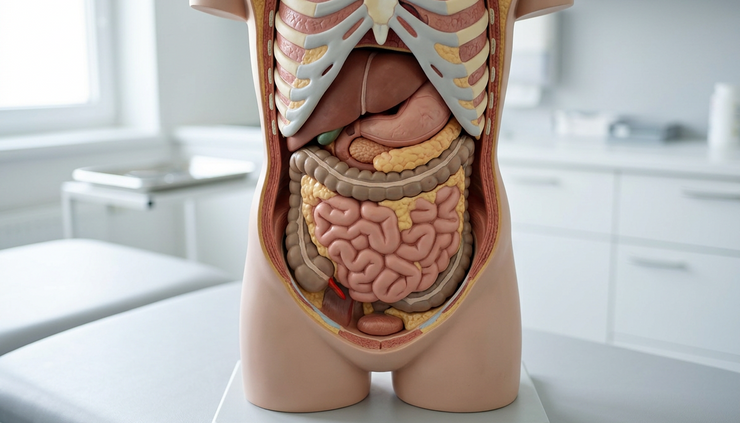
The research summary highlights a reduction in dangerous belly fat. That detail is important because not all body fat carries the same health risks.
Subcutaneous fat sits under the skin. Visceral fat sits deeper, around organs in the abdomen. Visceral fat is often linked with higher risk for type 2 diabetes, fatty liver disease, heart disease, and chronic inflammation.
A smaller waistline can reflect less visceral fat, but the real concern is what is happening inside the body. Belly fat can affect blood sugar control, blood pressure, cholesterol patterns, and liver health.
That is why researchers are interested in treatments that reduce abdominal fat specifically, not just overall weight on a scale.
A treatment that cuts visceral fat could have metabolic benefits beyond a lower number on the scale, but those benefits still need to be tested carefully.
The phrase “dangerous belly fat” should not be read as a judgment about body shape. It refers to a type of fat storage that can place stress on major organs. People can have different body types, health histories, and risks. Obesity care should be medical, respectful, and tailored to the person, not based on stigma.
Why weight regain after stopping medication is such a hard problem
Weight loss is often treated as the finish line. In medicine, it is usually only the first phase.
When people lose weight, the body often fights back. Hunger signals can rise. Fullness signals may weaken. Resting energy use can fall. The body may try to conserve energy and rebuild fat stores. This is one reason people can regain weight after stopping treatment, even when they keep working hard on food choices and activity.
This issue has become more visible with GLP-1 medications. Many people lose meaningful weight while taking them. Yet research and clinical experience show that stopping these drugs can lead to weight regain for many patients.
That does not mean the drugs failed. It means obesity is often a chronic condition, and the biology driving it can return when treatment ends.
The new injection is interesting because early research suggests it might reduce the fat-cell pool that helps fuel regain. If fewer harmful fat cells remain active, the body may have less capacity to quickly rebuild abdominal fat after weight loss.
That idea is promising, but it needs evidence from longer studies.
Researchers will need to answer several key questions:
How much fat loss comes from fat-cell destruction rather than temporary shrinkage?
Does the body replace those fat cells over time?
Does the effect last months or years?
Does it reduce diabetes risk, liver fat, or heart disease markers?
What side effects appear when more people receive the injection?
Who would benefit most, and who should avoid it?
Those answers matter before anyone can call this a practical obesity treatment.
How this may compare with Ozempic and Wegovy
It is tempting to frame the injection as a rival to Ozempic and Wegovy, but that may be the wrong lens. If the treatment proves safe and effective, it could become part of a broader care plan rather than a direct replacement.
GLP-1 drugs can reduce appetite and help with blood sugar control. A fat-cell-targeting injection could, in theory, work on a different part of the problem. That raises the possibility of combination or follow-up treatment, especially for people who regain weight after stopping GLP-1 therapy.
Here is the basic contrast:
Treatment approach | Main target | Why it matters |
GLP-1 medications | Appetite, fullness, blood sugar signals | Can support major weight loss while treatment continues |
Fat-cell-destroying injection | Fat cells, especially abdominal fat cells | May reduce harmful fat stores and possibly limit regain |
Lifestyle care | Food patterns, movement, sleep, behavior, medical support | Still needed to protect health and maintain results |
This comparison is simplified, and no one should change medication based on early research. Drugs like Ozempic and Wegovy have undergone extensive clinical testing for approved uses. The new injection is still experimental.
The more realistic future may be layered treatment. One person might need appetite support. Another might need help after major weight loss. Someone else might need metabolic treatment focused on blood sugar, liver fat, or cardiovascular risk.
Obesity is not one condition with one cause. It makes sense that future treatment may not rely on one tool.

Safety will decide whether the promise becomes real
Destroying fat cells sounds simple, but the body is not simple.
Fat cells sit among blood vessels, immune cells, nerves, and connective tissue. If a treatment kills fat cells, researchers must make sure it does not trigger harmful inflammation, damage nearby tissue, affect organs, or cause uneven fat loss. The immune system also has to clear dead cells safely.
Safety questions will likely include:
Local reactions at the injection site
Pain, swelling, or tissue irritation
Inflammation in treated areas
Effects on liver function and blood lipids
Changes in blood sugar and insulin response
Long-term changes in fat distribution
Rare adverse events that may only appear in larger trials
There is also the question of precision. A useful treatment would need to target the right cells in the right places. Reducing visceral fat could be valuable. Causing unwanted loss of healthy fat in other areas would not be.
Some fat is protective. The body needs fat tissue for hormone signaling, cushioning, temperature regulation, and energy storage. A good obesity treatment should improve health, not simply remove fat at any cost.
That is why step-by-step testing matters. Early findings can be exciting, but larger human studies are needed before doctors can judge the balance of benefit and risk.
What this could mean for obesity treatment
If the research holds up, the injection could point to a new category of obesity care. Instead of only helping people eat less or absorb less, future treatments may directly alter fat tissue biology.
That would be a meaningful shift.
For patients, the biggest benefit might not be faster weight loss. It may be more durable weight maintenance after weight loss. That is where many current treatments struggle.
For clinicians, a fat-cell-targeting option could provide another path for people at high risk from abdominal obesity, especially those with insulin resistance, type 2 diabetes, or weight regain after medication stops.
For researchers, the work raises a deeper question. Can obesity be treated by changing the behavior and survival of fat cells themselves?
The answer is not settled. Yet the direction is important. It moves the conversation away from willpower and toward biology. That is a healthier and more accurate way to think about obesity.
Lifestyle still matters. Nutrition, activity, sleep, stress, medications, medical conditions, genetics, and environment all play roles. But biology can make weight loss and maintenance harder than many people realize. Treatments that address that biology may reduce shame and improve care.

What to watch next
The next stage will be evidence. The early summary suggests the injection is promising, but the most important details will come from peer-reviewed studies and larger clinical trials.
Key things to watch include:
The number and type of participants studied
Whether results occur in humans, animals, or both
How abdominal fat was measured
How long the follow-up lasted
Whether weight regain was directly tested
What side effects were reported
Whether metabolic markers improved
Whether results were compared with placebo or standard care
A treatment can look strong in a small or early study and still fall short later. That is normal in medical research. The goal is not to dampen hope, but to keep expectations grounded.
For now, this injection should be viewed as a promising scientific lead, not an available weight loss solution.
Anyone using GLP-1 medication, considering stopping treatment, or struggling with regain should talk with a qualified health care professional. Stopping obesity medication without a plan can make regain more likely, and the right next step depends on medical history, side effects, goals, and risk factors.
This article is for informational purposes only and is not medical advice.
The takeaway
The new injection makes fat cells self-destruct in early research, and that could open a new path for treating obesity and dangerous belly fat. Its most interesting promise may be helping prevent weight regain after treatments like Ozempic and Wegovy are stopped.
But promise is not approval. Researchers still need to prove that the treatment is safe, durable, and effective in larger studies.
If it works, it may not replace current obesity medications. It may add a new tool, one focused less on appetite and more on the fat tissue that helps drive metabolic risk and regain. That would be a major step toward treating obesity as the complex biological condition it is.



Comments