Growing Tomatoes Indoors Successfully with These Essential Tips is Easy
Fresh tomatoes, or any vegetables in Tampa Bay, do not have to wait for warm weather or a backyard bed. With the right variety, strong light, good potting mix, and a steady care routine, tomatoes can grow happily on a sunny shelf, in a bright spare room, or under grow lights in a kitchen corner.
Indoor tomato plants do ask for a little planning. They need more light than most houseplants, enough room for their roots, and consistent watering. The good news is that once the setup is right, the daily care is simple. Indoor Tomato Growing is also a rewarding way to bring fresh flavor into the home during months when outdoor gardens slow down.
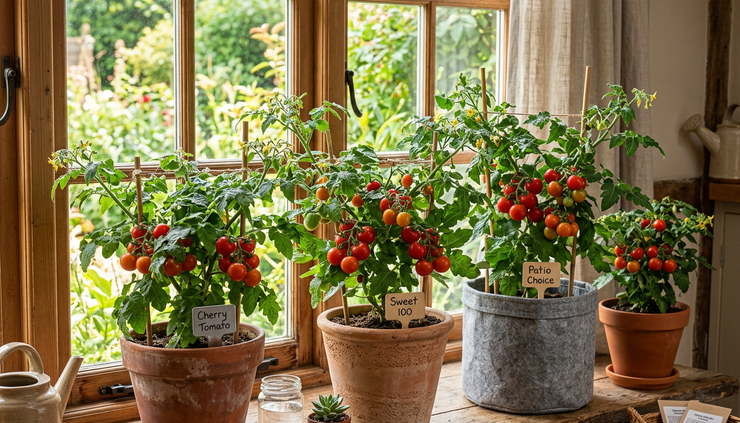
Choose tomato varieties that fit indoor spaces
The best indoor tomatoes are compact, productive, and manageable in containers. A full-size indeterminate tomato can grow tall and sprawling, which makes it harder to train indoors. Smaller varieties tend to stay neater and fruit sooner.
Look for words such as dwarf, micro-dwarf, patio, bush, or determinate on the seed packet or plant tag. These varieties are bred for smaller spaces and container growing.
Tomato type | Why it works indoors | Good use |
Micro-dwarf tomatoes | Stay very small, often under 12 inches | Windowsills, shelves, small grow lights |
Dwarf tomatoes | Compact but still productive | Larger pots, plant stands, small indoor gardens |
Patio or bush tomatoes | Bred for containers and limited space | Balconies, sunrooms, bright kitchens |
Cherry tomatoes | Often quick to mature and generous | Snacking, salads, beginner projects |
Determinate slicers | Grow to a set size and fruit in a shorter window | Larger indoor containers |
Cherry and grape tomatoes are often the easiest starting point. They usually set fruit more readily than big slicing tomatoes and do not demand as much time to ripen. If the goal is reliable success, start with one or two compact cherry plants rather than several large-fruited types.
Seed packets often include mature height, days to maturity, and container suitability. For indoor growing, mature size matters as much as flavor. A plant that stays under 2 feet tall will usually be easier to light, water, prune, and support than one that wants to reach the ceiling.
A simple beginner setup might include:
One micro-dwarf tomato in a 1-gallon pot
One patio cherry tomato in a 3- to 5-gallon pot
One spare pot for herbs such as basil or parsley
This keeps the project fun without turning a room into a jungle.
Give tomatoes the strong light they need
Tomatoes are fruiting plants, not low-light houseplants. They need bright light for strong stems, healthy leaves, flowers, and fruit. A sunny south-facing window can help, but most indoor tomato plants grow better with a dedicated grow light.
Aim for 12 to 16 hours of light per day. Seedlings often do well with 14 to 16 hours, while mature plants can usually handle a similar schedule. Use a simple outlet timer so the light turns on and off at the same time every day.

Pick the right grow light
LED grow lights are the most practical choice for many home gardeners. They run cooler than older bulbs, use less electricity, and come in many sizes. Full-spectrum LED lights are a good fit because they support both leafy growth and flowering.
Choose a light that covers the full width of the plant. A tiny clip-on lamp may help seedlings, but a mature tomato needs more coverage. For one compact plant, a small LED panel or bar light can work. For several plants, use a wider panel or multiple light bars.
Keep these lighting tips in mind:
Place lights close enough to prevent stretching, but not so close that leaves scorch.
Raise the light as the plant grows.
Rotate pots every few days if light comes more strongly from one side.
Watch the plant’s body language.
Pale, stretched stems usually mean the light is too weak or too far away. Curled, bleached, or crispy top leaves may mean the light is too intense or too close.
A well-planned shelf can contain growing pots, garden lights, indoor plants, tomatoes, vegetables, and herbs without taking over the whole room. The key is to match the size of the light to the size of the plants.
Do not forget warmth and airflow
Tomatoes like warm conditions. Most grow well in typical home temperatures, especially if the room stays comfortably warm during the day and does not get chilly at night. Keep plants away from cold windows, exterior doors, and heating vents that blast dry air.
Air movement also matters. A small fan running gently nearby can strengthen stems, reduce fungal problems, and help flowers pollinate. The fan should move leaves slightly, not whip them around.
Use the right soil, pot, and support
Indoor tomatoes need a container setup that holds moisture without staying soggy. Garden soil is not a good choice for indoor pots because it can compact, drain poorly, and bring in pests. Use a high-quality potting mix made for containers.
A good potting mix should feel light and fluffy. It often includes ingredients such as peat moss or coco coir, perlite, compost, and sometimes slow-release fertilizer. The goal is simple: roots need water, oxygen, and room to spread.
Choose a pot with enough room
Tomatoes grow large root systems. A cramped pot dries out fast and limits growth. Match the pot size to the tomato type.
Micro-dwarf tomatoes Use a pot around 1 gallon, depending on the variety.
Compact dwarf tomatoes Use a 2- to 5-gallon pot.
Patio or determinate tomatoes Use a 5-gallon pot or larger.
Larger indeterminate tomatoes Use a 10-gallon container or larger, though these are harder indoors.
Every pot needs drainage holes. Place a saucer or tray underneath to protect floors and shelves, then empty standing water after watering. Roots sitting in water are more likely to rot.
Fabric grow bags can work well indoors if they sit in a waterproof tray. They allow air to reach the roots and reduce the risk of waterlogging. Plastic pots hold moisture longer, which can help in dry homes.

Feed plants steadily
Tomatoes are hungry plants. If the potting mix does not include fertilizer, add a balanced organic or slow-release fertilizer according to the label. Once plants begin flowering, a tomato fertilizer with enough potassium and calcium support can help fruit development.
Avoid overfeeding. Too much nitrogen can lead to lush leaves with few flowers. If a tomato plant looks deep green and leafy but refuses to bloom, ease off high-nitrogen fertilizer and check that light levels are strong enough.
Add support early
Even compact tomato plants need support once they carry fruit. Add a small cage, stake, or trellis when the plant is young. It is much easier to guide stems early than to rescue a leaning plant later.
Use soft ties, plant clips, or strips of cotton fabric to secure stems. Tie loosely so the stem has room to grow.
Water indoor tomatoes with consistency
Watering is where many indoor tomato problems begin. Too much water can suffocate roots and invite fungus gnats. Too little water can cause wilting, flower drop, and uneven fruit development.
The goal is steady moisture, not constantly wet soil.
Before watering, check the potting mix with a finger. If the top inch or two feels dry, water deeply until water runs from the drainage holes. Let the pot drain, then empty the saucer.
Small pots may need water every few days. Larger pots may go longer. The actual timing changes with light intensity, plant size, room temperature, humidity, and pot material. A tomato under strong lights will drink more than one sitting in a cool, dim corner.
Good watering habits include:
Water the soil, not the leaves.
Use room-temperature water.
Water deeply instead of giving tiny daily splashes.
Check plants at the same time each day.
Keep a simple note if it helps track patterns.
Tomato plants will give signals. Wilting soil that feels dry means the plant needs water. Wilting soil that feels wet may point to root stress from overwatering. Yellow lower leaves can also show up when soil stays too wet or when the plant lacks nutrients.
Help flowers turn into fruit
Outdoors, wind and insects help tomato flowers release pollen. Indoors, the gardener often has to help. Once flowers open, gently tap the flower clusters or shake the plant support once a day. A soft electric toothbrush touched near the flower stem can also vibrate pollen loose.
Keep the room from getting too humid or too dry. Very dry air can make plants thirsty and stressed. Very humid, still air can encourage disease. Gentle airflow helps keep conditions balanced.
Watch for pests and diseases before they spread
Indoor plants are not pest-proof. Problems often arrive on new plants, potting materials, produce, or plants brought inside from outdoors. Catching issues early keeps them manageable.
Check leaves at least once a week. Look at the undersides of leaves, along stems, and near new growth.
Common indoor tomato pests include:
Aphids Small, soft-bodied insects that cluster on new growth.
Whiteflies Tiny white insects that flutter when disturbed.
Spider mites Very small pests that cause speckled leaves and fine webbing.
Fungus gnats Small flies that hover near damp soil.
For aphids and whiteflies, rinse plants gently or wipe leaves with a damp cloth. Insecticidal soap can help when used according to the label. Spider mites thrive in dry, dusty conditions, so cleaning leaves and improving humidity slightly can reduce pressure.
Fungus gnats are usually a watering issue. Let the top layer of soil dry between waterings, use sticky traps to monitor adults, and avoid soggy potting mix.

Prevent common diseases
Indoor tomatoes can develop fungal or bacterial problems when airflow is poor, leaves stay wet, or plants are crowded. Watch for leaf spots, fuzzy growth, yellowing, or stems that collapse.
Damping off can affect seedlings, especially in wet soil with poor airflow. Use clean seed-starting mix, do not overwater, and keep a fan moving gently nearby.
Powdery mildew can show up as a white powdery coating on leaves. Improve airflow, give plants more space, and remove badly affected leaves. Avoid splashing water onto foliage.
Blossom end rot appears as a dark, sunken spot on the bottom of fruit. It is linked to calcium movement in the plant, often triggered by uneven watering. Steady moisture is the best prevention.
Strong prevention habits work better than rescue treatments:
Quarantine new plants for a week or two before placing them near other indoor plants.
Clean pruning scissors before use.
Remove dead leaves from the soil surface.
Space plants so air can move around them.
Avoid reusing old potting mix from diseased plants.
Build a simple routine and enjoy the harvest
Indoor tomatoes do best when care becomes part of the weekly rhythm. A few minutes each day can prevent most setbacks.
A simple routine might look like this:
Daily
Check soil moisture, look for wilting, and make sure lights are working.
Every few days
Rotate pots, tap flower clusters, and adjust ties or supports.
Weekly
Inspect leaf undersides, remove yellow leaves, wipe dust from grow lights, and check for pests.
Every few weeks
Feed as needed based on the fertilizer label and the plant’s growth stage.
Start small if this is a first indoor tomato garden. One healthy plant under a good light teaches more than six struggling plants in a dim corner. Once the first flowers turn into small green tomatoes, the whole process starts to feel less like an experiment and more like a habit.
Indoor tomatoes reward attention, but they do not require perfection. Choose a compact variety, give it strong light, use a roomy pot with quality mix, water with care, and inspect often. With those basics in place, a fresh harvest can be much closer than the backyard, right inside the home.


Comments